

Humanitarian Engineering and Science (Non-Thesis)
Master of Science
Delivery Options
 Campus
Spring 2027 Deadlines
International: October 1
Domestic: January 2
Department
Program Overview
The Master of Science in Humanitarian Engineering and Science (HES) Non-Thesis at Colorado School of Mines is an interdisciplinary, sociotechnical graduate program for engineers and scientists who want to work alongside communities to address complex, social, environmental and technical challenges.
Humanitarian engineering starts with a different question: Who defines the problem?
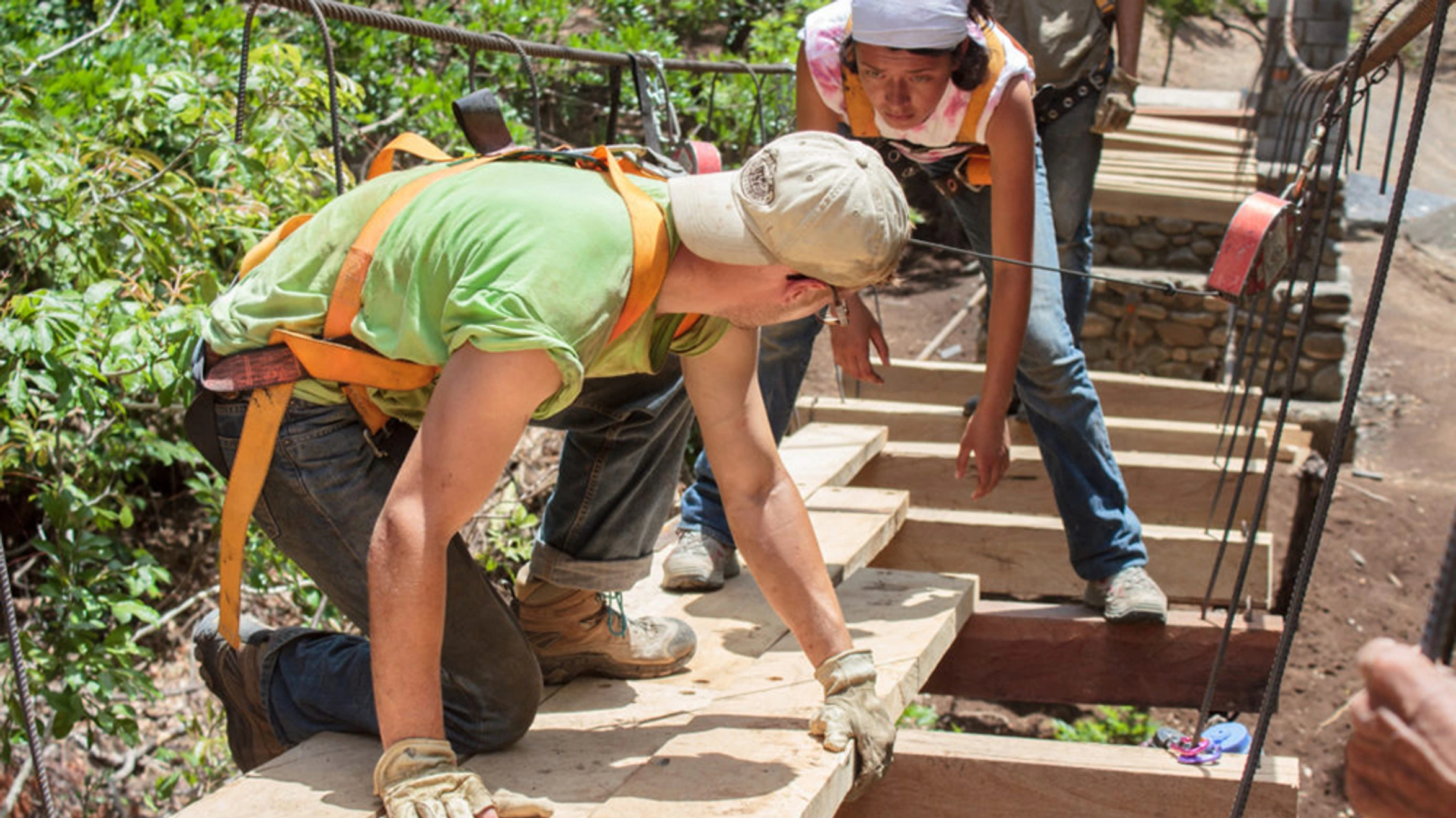
Rather than designing solutions for communities, HES students learn to work with communities to understand challenges, identify priorities and co-create solutions that reflect local knowledge, resources, cultures and goals. You’ll develop the skills to navigate the realities that shape whether an engineering solution is appropriate, sustainable, and effective.
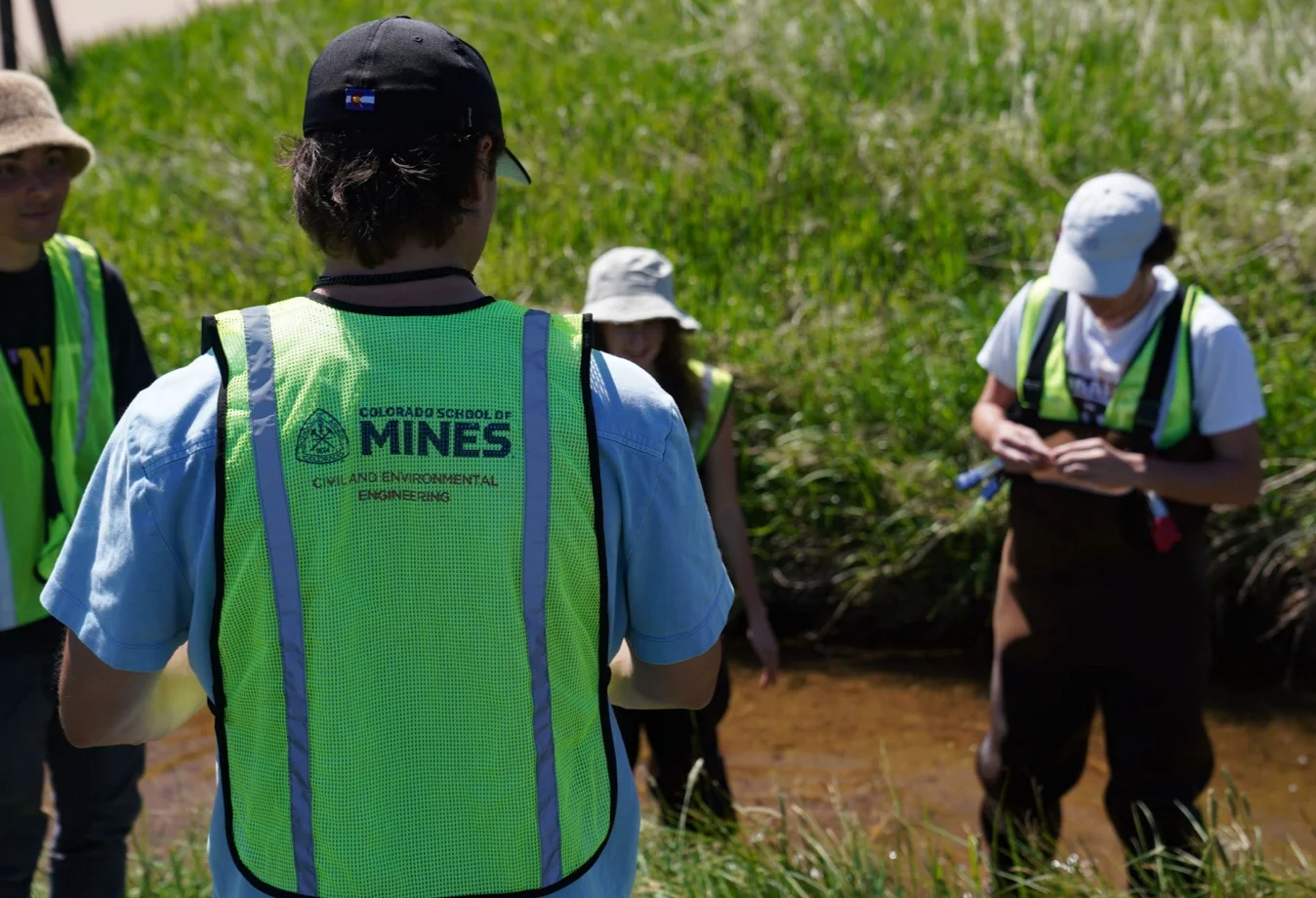
You’ll learn to bring engineering and social science perspectives together to address challenges related to mining, infrastructure, environmental sustainability, water, risk mitigation for natural disasters, and more.
At Mines, humanitarian engineering is more than applying engineering to “help” others. It is about rethinking how engineering problems are defined, who gets to define them, and how engineers and scientists work with communities to create meaningful change.
Program Detail
Through 30 credits of graduate-level coursework, you’ll explore how science and technology shape, and are shaped by, communities and society; develop approaches for sustainable community development; learn methods for conducting research with communities; and including a hands-on practicum where you get the opportunity to apply what you have learned to a real-world challenge.
The program is divided evenly between 15 credits of core courses and 15 credits within your selected technical track. This structure allows you to develop the interdisciplinary skills needed to approach complex challenges while building on your technical expertise.
Program Tracks
Choose a track that connects your existing interests and expertise with community-centered problem solving.
Data Sciences (5 courses)
- Data-informed approaches to complex humanitarian and community challenges
Environmental Engineering (5 courses)
- Water, sanitation, flood risk mediation, environmental health, remediation and sustainability
Geological Engineering (5 courses)
- Water resources, geologic hazards, natural resources, community resilience and emergency management
Geophysics (5 courses)
- Groundwater, geohazards, environmental monitoring, agriculture and cultural heritage
Robotics (5 courses)
- Human-robot collaboration, remote sensing, disaster response and the social and ethical dimensions of robotics
Interdisciplinary (5 courses)
- Build a customized technical focus with your advisor around your interests and career goals.
Meet Our Faculty Experts
Meet three instructors with real-world experience humanitarian contexts and community-based research. View all Engineering Design & Society faculty

Samantha Temple
Community Engagement Fellow

Elizabeth Reddy
Assistant Professor

Juan Lucena
Professor-DIR
Application Requirements
-
Bachelor's degree
-
GRE: Not Required
-
Letters of Recommendation: Not Required
-
Resume or Curriculum Vitae (CV)
-
Statement of Purpose
-
Transcripts
-
International students please review the English proficiency requirements.
Program Curriculum
View Academic CatalogCareer Outlook
Median salary for recent program graduates is $80,000. Learn more about Mines' comprehensive career development resources and this degree's salary potential.
Employers who seek Mines graduates include
Corporate Social Responsibility (CSR) & Extractive Industries
Government, Policy & Research
Organizations such as Colorado Department of Public Health and Environment (CDPHE), National Academy of Engineering, National Laboratory of the Rockies (NLR), Peace Corps, U.S. Agency for International Development (USAID), U.S. Geological Survey (USGS) and United Nations
International Development & Non-Profit Organizations
Social Enterprise & Sustainable Consulting
Companies such as AECOM, Angaza, Build Change, Kimley-Horn, Posner Center for International Development and Tetra Tech
Frequently Asked Questions
What is humanitarian engineering and science?
Humanitarian engineering and science is an interdisciplinary field that applies engineering principles, scientific methods and systems thinking to improve human well-being — particularly in underserved, resource-limited or crisis-affected communities.
It combines technical innovation with social responsibility, focusing on sustainable, inclusive solutions to challenges such as clean water access, renewable energy, public health, food security, disaster resilience, housing and climate adaptation.
Students and researchers in this field integrate engineering design, environmental science, data analytics and community engagement to co-create technologies that are not only effective, but also ethical, culturally appropriate and sustainable over time.
What are the most interesting advances and technologies shaping the field of humanitarian engineering and science?
Modern humanitarian engineering and science is being reshaped by a new generation of technologies designed to enhance equity, resilience and sustainability. Key advances include:
- Decentralized renewable energy systems — such as microgrids, solar desalination and off-grid battery technologies for rural electrification.
- Low-cost water purification and sanitation innovations, using nanomaterials, biofiltration and community-scale treatment systems.
- Circular economy and waste-to-resource engineering, converting waste into fuel, fertilizer or building materials.
- Digital mapping and data science for humanitarian logistics, improving aid distribution and disaster response through geospatial intelligence.
- Sensors and IoT systems for environmental and health monitoring, enabling early warning and data-driven public health interventions.
- Additive manufacturing (3D printing) for local production of medical devices, infrastructure components and emergency supplies.
- Participatory design and co-creation platforms, empowering local communities to guide technology development.
- AI and mobile platforms for crisis forecasting and coordination, supporting everything from refugee management to disease surveillance.
These technologies reflect a shift toward human-centered innovation — prioritizing social impact, ethical deployment and long-term community ownership.
What career options will I have with a degree in humanitarian engineering and science?
Graduates in humanitarian engineering and science pursue meaningful careers that bridge technology, policy and global development. Typical roles include:
- Humanitarian engineer or development engineer, designing sustainable infrastructure and technologies for low-resource settings.
- Water, sanitation and hygiene (WASH) specialist, improving access to safe drinking water and sanitation systems.
- Renewable energy systems designer or technician, working on solar, wind or hybrid systems for off-grid communities.
- Disaster risk reduction or resilience planner, developing infrastructure and recovery plans for climate adaptation.
- Sustainability consultant or systems analyst, advising governments and organizations on equitable technology deployment.
- Public health technologist, integrating data and engineering to improve health delivery in developing regions.
- Research scientist or policy advisor, shaping evidence-based strategies for international development and sustainability.
- NGO or social enterprise innovator, leading initiatives in clean technology, agriculture or humanitarian logistics.
Graduates often find themselves working across disciplines and borders, uniting engineering, social science and human-centered design for global good.
What industries hire graduates with a degree in humanitarian engineering and science?
A wide range of organizations value the interdisciplinary and problem-solving skills of Humanitarian Engineering and Science graduates, including:
- International development agencies (e.g., USAID, UNDP, World Bank)
- Humanitarian and relief organizations (e.g., Red Cross, Médecins Sans Frontières, CARE, Oxfam)
- Nonprofits and NGOs focused on global health, energy access and climate adaptation
- Engineering and consulting firms with sustainability and infrastructure divisions
- Renewable energy, water and environmental technology companies
- Research institutions and think tanks studying sustainable development and resilience
- Government agencies in public works, disaster management and environmental protection
- Social enterprises and startups designing scalable solutions for global challenges
The field offers opportunities to work locally and internationally, often in cross-sector collaborations that blend technology, community development and environmental stewardship.
Featured Alumni

Meet Casey Gibson, HES Graduate '22

Related News
Research & Innovation
